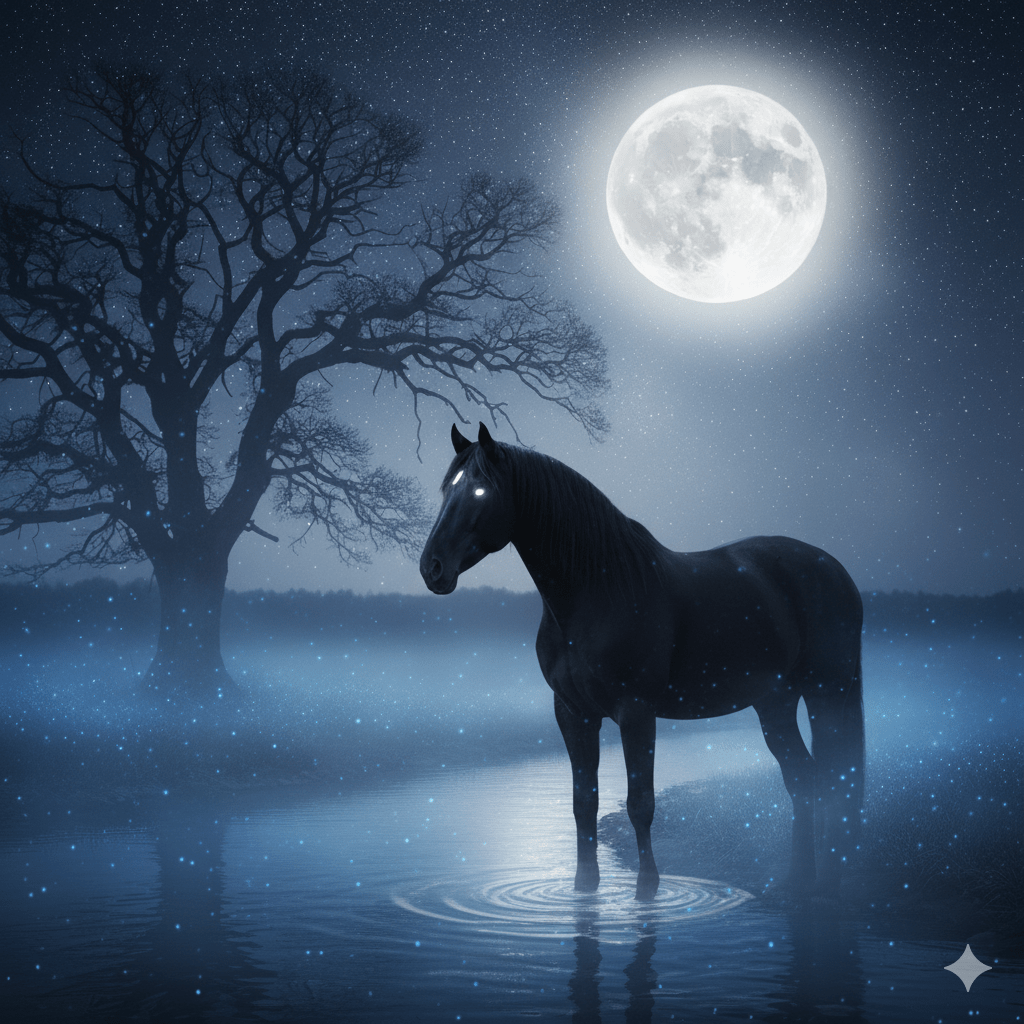
Clare L. Martin’s Black Horse, Night reads like the slow, steady circling of a rider returning to a favorite field — a manuscript that grew out of long, dream-haunted attention to horses and the “spirit-ways” they open in us. In essays and features Clare has described these poems as emerging from real and imagined encounters with horses, images that kept returning until they demanded shape on the page. The 64 Parishes feature that ran some of these pieces makes that origin plain: the poems are “inspired by real and envisioned encounters with horses” and aim to capture their quiet mystique and prescience.
Reading Clare’s interviews and editorial notes, you can trace a patient development: initial fragments and dream-poems collected over years, publication of individual poems in journals, and then the slow knitting of those pieces into a coherent manuscript.
In MockingHeart Review — the magazine Clare founded and later used as a platform for conversation about craft — she spoke candidly about the new manuscript and about how poems accumulate meaning across time, how repeated attention to a subject (here, horses and the night they inhabit) lets the work move from image to myth. That interview gives a sense of a poet revising not just lines but a long-held vision, testing which pieces belong and which transform the others when placed in sequence.
For Clare, revisiting Black Horse, Night to see it toward publication feels, from the evidence she’s shared, like reclaiming something that’s always been hers: poems that were waiting in dreams and notebooks, now given the discipline of a manuscript and the context of her growing body of work (her previous collections and ongoing editorial practice have sharpened her sense of what a book can hold).
Her author pages and bios record a steady publishing life — full collections, many journal appearances, and editorial leadership — all of which feed the confidence necessary to shepherd a long-loved manuscript into the world. That final step — moving from beloved poems scattered across magazines into a single, published book — changes how those poems work. Sequence asks for narrative and echo; a press asks for a theme and a spine.
Watching a poet like Clare re-approach her material with that in mind is moving because it’s also a kind of homecoming: images that haunted private pages now found a communal breath, and the poet who first dreamed them becomes the steward who helps them live for readers. If the manuscript’s heart is the horse — a creature both wild and companionable — then the revisiting is the poet’s careful saddling, checking each strap, choosing the right path so the animal (and the poems) can run true.I’ve always admired books that feel inevitable when you read them — as if they had to be written because the world needed that exact set of poems arranged that exact way.
In Clare L. Martin’s case, the arc from individual horse-poems to Black Horse, Night looks like the slow work of accumulation, revision, and, finally, courageous arrangement. The result promises to be a book that honors the dream-logic of its origins while standing firmly in the deliberate craft of the poet who brought it to light.
—Tish Caldwell, author and publisher

Leave a comment